Food & Farming. One Health
"The use of antimicrobials in animals contributes to the emergence and spread of antimicrobial‑resistant pathogens that can be transmitted to humans through food, the environment, and direct contact."
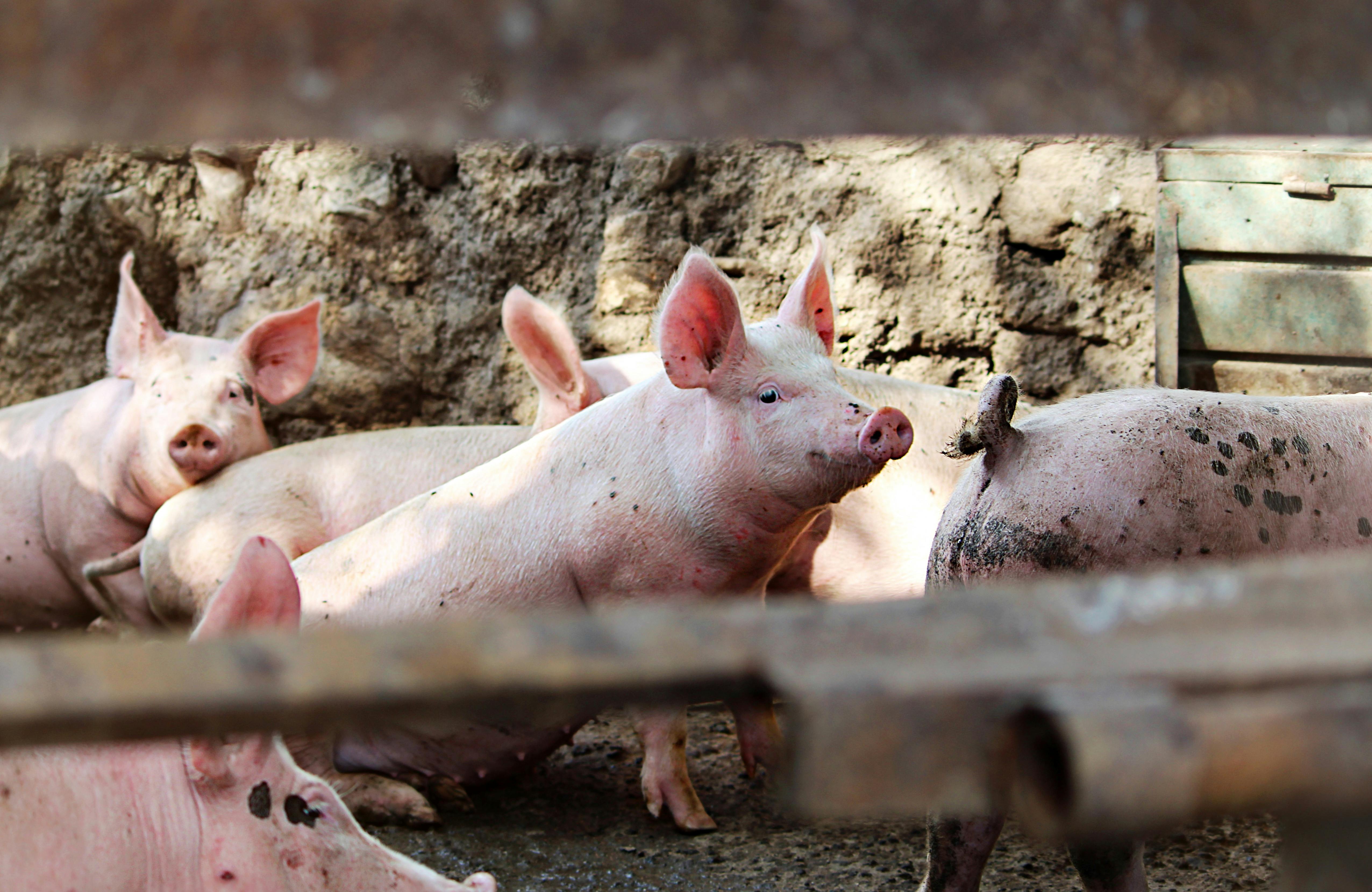
This category is centered on the One Health principle, which recognizes the deep interconnection between the health of people, animals, and their shared environment, particularly in the context of food production.
It focuses on the use of antimicrobials in animal farming and agriculture, and contributes to insights into how practices in these sectors contribute to the development and spread of AMR and can be avoided. The scope extends across the entire food supply chain, from sustainable farming methods that reduce the need for antibiotics, to food safety issues such as product recalls due to bacterial contamination. This category addresses the critical pathways through which resistance can travel from farms and fields to our communities.
Antibiotics play a significant role in agriculture and farming, particularly within the broader context of antimicrobial resistance (AMR) and the “One Health” approach. In farming, antibiotics are used not only to treat infections in animals but also, historically, for growth promotion and disease prevention. This widespread use has contributed to the development and spread of antibiotic-resistant bacteria, which can transfer from animals to humans through direct contact, the food chain, and the environment.
News
View allAs antibiotic resistance grows, researchers turn to copper to fight infections
Abstract
When bacteria invade the urinary tract, the body has its own arsenal for fighting back. Among those weapons is an unlikely tool: copper. Researchers at the Texas A&M College of Veterinary Medicine and Biomedical Sciences (VMBS) are investigating how the body uses the essential trace mineral to fight urinary tract infections (UTIs), how bacteria manage to survive that attack and whether those discoveries could eventually lead to new ways of treating infections that are increasingly difficult to control with antibiotics.Vermont farm recalls eggs because of link to Salmonella outbreak
Abstract
Leaping Bear Farm is recalling eggs after Vermont health and agriculture officials detected Salmonella in eggs and environmental samples from the farm. Anyone who has eaten any of the recalled eggs and developed symptoms of Salmonella infection should seek medical attention. Sick people should tell their doctors about the possible exposure to Salmonella bacteria because special tests are necessary to diagnose salmonellosis. Older adults, children, pregnant women, and people with weakened immune systems, such as cancer patients, are more likely to develop a severe illness and serious, sometimes life-threatening conditions.Salmonella Outbreak Linked to Broccoli Sprouts
Abstract
Food safety alert Investigation status: Open Recall issued: Yes CDC and public health officials in several states are investigating a multistate outbreak of Salmonella infections linked to broccoli sprouts produced by Evergreen Fresh Sprouts. Recalled food This outbreak does not appear to be related to the other recent multistate Salmonella and E. coli outbreaks traced to alfalfa sprouts produced by Everything Fresh Sprouts, LLC. Urgent Call your healthcare provider right away if you have any of these symptoms: Diarrhea and a fever higher than 102°F Diarrhea for more than 2 days that is not improving Bloody diarrhea So much vomiting that you cannot keep liquids down Signs of dehydration, such as: Not peeing much Dry mouth and throat Feeling dizzy when standing up What businesses should do Do not sell or serve recalled broccoli sprouts. Wash and sanitize items and surfaces that may have come in contact with recalled broccoli sprouts.